


close
Choose Your Site
Global
Social Media


Views: 0 Author: Site Editor Publish Time: 2026-07-28 Origin: Site


Engineers and procurement teams face a strict balancing act when scaling component production. Selecting the wrong manufacturing process introduces severe operational risks. You might overpay significantly for high-volume parts if you rely on slow machining cycles. Conversely, you could sink heavy capital into hard tooling before finalizing a design, leaving you with useless dies if dimensions change. Procurement teams must balance upfront tooling expenses, press setup times, and per-unit economics. Part geometry and strict tolerance requirements also dictate the viable path forward.
Evaluating CNC Machining vs Metal Stamping requires a structured approach. We will explore a technical evaluation framework comparing these two dominant methods. We focus on break-even analysis, material integrity, and lifecycle scalability. This framework helps teams drive data-backed manufacturing decisions, avoiding costly lock-ins and ensuring production aligns with actual market demand.
Volume Dictates Economics: CNC machining offers lower upfront costs for low-to-medium volumes, while metal stamping requires significant initial tooling investment but delivers drastically lower per-unit costs at scale.
Geometry and Precision: CNC machining is mandatory for complex 3D geometries, thick solid parts, and ultra-tight tolerances. Metal stamping is optimized for uniform, thin-walled sheet metal components.
Lead Time and Press Readiness: CNC machining allows for rapid initial production and agile design iterations. Metal stamping requires weeks or months for die creation and complex press setup before production runs can begin.
Critical Component Forgiveness: CNC machining is far more forgiving of late-stage tight-tolerance engineering changes, whereas stamping locks designs in once hard tooling is cut.
The Hybrid Approach: Critical components often require a combination of both—stamping for the primary shape and secondary CNC machining for high-precision features.
Table of Contents
CNC machining is a subtractive manufacturing process utilizing computer-controlled cutting tools to remove material from a solid block, known as a billet. The machine interprets digital instructions from a CAM file to guide mills, lathes, or routers along multiple axes. This process carves out the final part with extreme precision. When you walk the shop floor, you see these machines turning raw blocks of aluminum, steel, or titanium into highly complex geometries without any custom molds or dies.
The core attributes of this method center on high versatility. It requires zero custom hard-tooling. You can load a block of material, secure it with standard workholding, and begin cutting. This makes it highly adaptable for complex, multi-axis geometries. Engineers rely on this method when parts feature varying wall thicknesses, intricate internal cavities, or non-uniform shapes. For example, an aerospace hydraulic manifold requires intersecting internal channels that can only be achieved through multi-axis subtractive cutting.
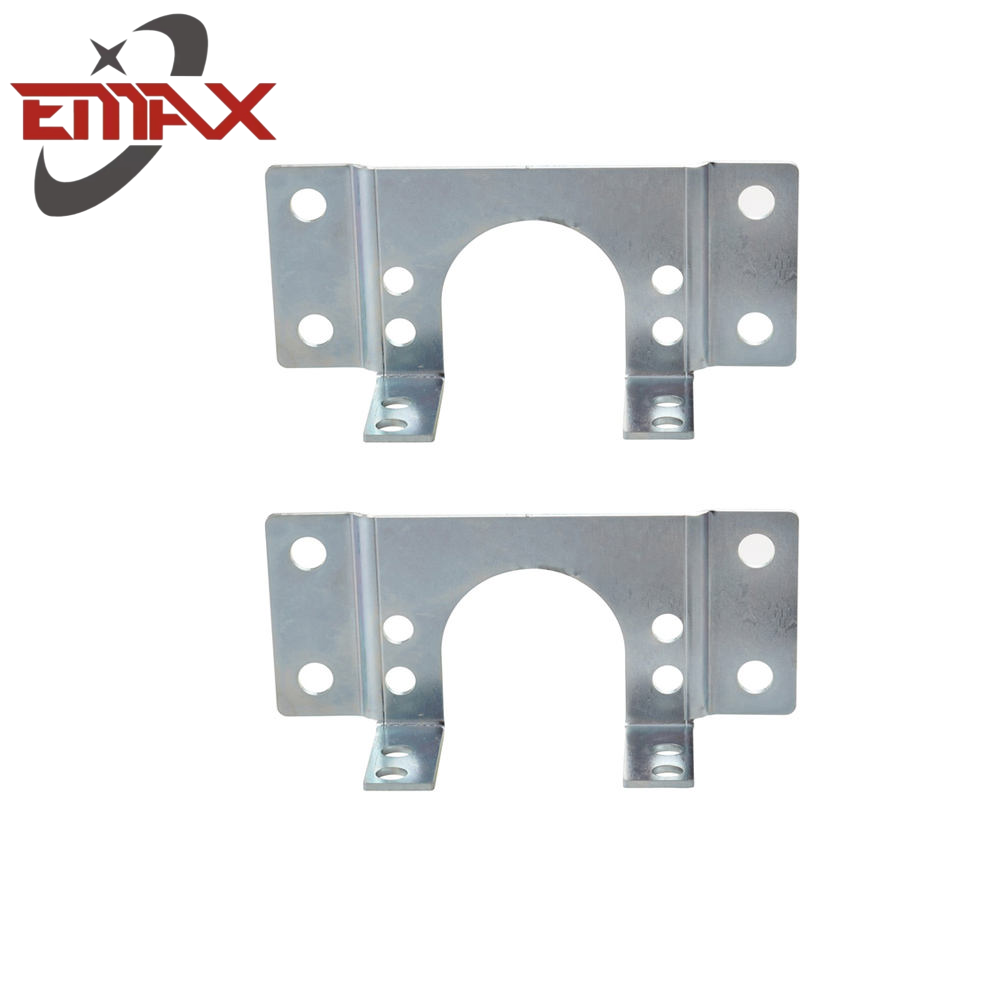
Metal stamping operates as a formative and shearing process. It utilizes custom-built tool and die sets housed in massive mechanical or hydraulic presses. These presses apply immense force to shape flat sheet metal into specific profiles. The process involves blanking, piercing, bending, and drawing the material into its final form. On a production line, a coil of sheet metal feeds continuously into the press, yielding finished or semi-finished parts with every stroke.
The primary advantage here is extremely high-speed production cycles. Once the press runs, it can produce multiple parts per second. However, this speed relies entirely on custom hard-tooling. Stamping is highly suitable for 2D or shallow 3D profiles made from uniform sheet metal. It cannot handle solid blocks or highly variable wall thicknesses. Automotive body panels and simple structural brackets are classic examples of components optimized for this formative process.
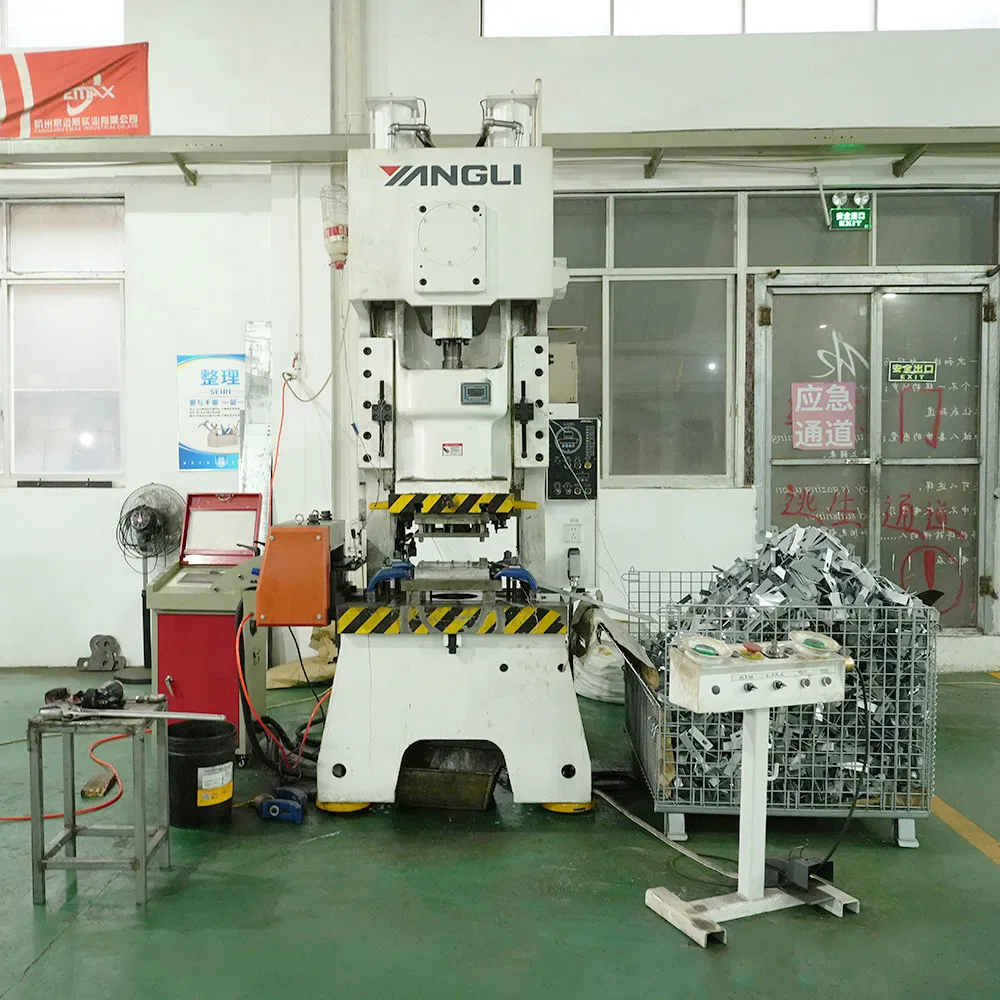
The setup phases for these two methods highlight their operational divide. Setting up a stamping press involves intense physical labor and mechanical precision. Technicians must load heavy dies, align them perfectly within the press, feed the sheet metal coil, and run extensive tests to ensure the material forms without tearing or excessive springback. This physical readiness takes significant time and expertise.
Digital configuration drives the subtractive method. Machinists load a digital CAM file into the machine controller. They secure the raw billet using standard vises or chucks. After setting tool offsets and running a quick simulation, the machine is ready to cut. This digital workflow allows for rapid changeovers between entirely different parts on the same day. You can machine a batch of aluminum enclosures in the morning and switch to stainless steel shafts by the afternoon with minimal physical retooling.
Production volume serves as the primary metric for choosing a manufacturing path. The break-even point analysis defines the typical volume thresholds where the high tooling cost of stamping is amortized. At low volumes, the cumulative machine-time cost of subtractive cutting remains lower than buying a custom die. As volumes increase into the tens of thousands, the ultra-low per-unit cost of stamping overtakes the initial die investment, making it the cheaper option overall.
The scalability curves differ fundamentally. Subtractive cutting scales linearly in cost and time. Producing ten thousand parts takes roughly ten thousand times longer than producing one part. Forming sheet metal scales exponentially in output. Once the press runs, the marginal cost and time per additional unit drop to near zero. High-volume runs maximize the efficiency of the press, turning a heavy upfront investment into massive long-term savings.
Solid part requirements contrast sharply against sheet metal requirements. Subtractive methods excel with solid blocks. They easily handle varying wall thicknesses, deep cavities, and complex internal features. If a part requires a thick base for structural support but thin fins for cooling, cutting it from a solid block is the only viable approach. The cutting tool can reach into pockets and carve out material exactly where needed.
Forming processes face strict limitations regarding uniform material thickness. The entire part must originate from a single sheet of metal. Engineers must account for bend radii constraints to prevent material tearing. They must also calculate springback, where the metal attempts to return to its flat state after bending. These geometric constraints limit stamping to relatively uniform, shell-like structures. You cannot stamp a solid cube or a part with internal, enclosed channels.
Subtractive cutting stands as the standard for tight-tolerance parts. Modern equipment often holds tolerances of ±0.0005 inches or better. This precision ensures perfect fits for critical mating surfaces. It also provides superior, customizable surface finishes straight off the machine, eliminating the need for secondary polishing in many cases. When assembling a high-pressure valve, these tight tolerances prevent leaks and ensure mechanical reliability.
While precision stamping exists, it generally cannot match subtractive cutting for critical mating surfaces without secondary operations. The shearing action leaves rough edges, and the forming process introduces slight dimensional variations. Furthermore, cutting from a block is highly forgiving of design updates. If a hole diameter changes, you simply update the digital file. Stamping dies are unmodifiable; a late-stage design change often means scrapping the tool and starting over.
Strength profiles vary based on the raw material state. Parts cut from solid billets retain continuous grain structures. This offers superior strength and robustness. Machined enclosures handle heavy impacts and high stress loads far better than stamped sheet metal enclosures. The solid nature of the billet ensures consistent material properties throughout the component, which is why aerospace structural components rely heavily on billet machining.
Sheet metal forming focuses heavily on ductility requirements. The material must stretch and bend without fracturing. During the forming process, the metal undergoes work-hardening. While this can increase surface strength, it also introduces internal stresses. The structural limits of sheet metal make it less suitable for heavy load-bearing applications compared to solid machined components. You must carefully select alloys that balance formability with final structural requirements.
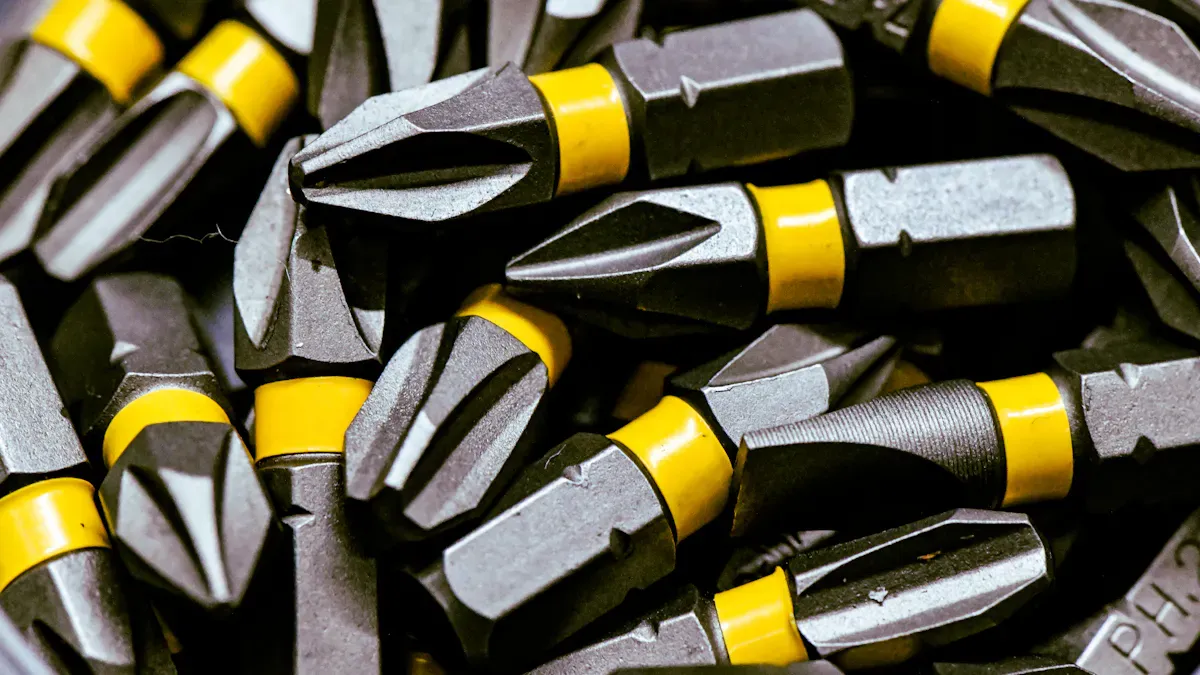
Upfront setup dictates the initial capital required to launch production. Subtractive setup relies on programming and standard equipment. Engineers generate the CAM toolpaths, select standard cutting tools, and use standard workholding. Minimal custom fixturing is required unless the part geometry is highly unusual. This keeps initial launch expenses very low, allowing teams to get first articles in hand quickly.
Forming setup demands extensive engineering, machining, and testing of progressive or single-stage dies. Toolmakers must design complex die sets that progressively shape the metal across multiple stations. Manufacturing these dies requires significant capital investment and time. Physical press readiness times also add to the upfront investment, as technicians must dial in the press parameters before production begins.
Design the progressive die layout based on the flat pattern.
Machine the individual die components from hardened tool steel.
Assemble the die set and install it into the stamping press.
Feed the initial coil and run test strokes to check for tearing or springback.
Adjust the die clearances and press tonnage until the part meets specifications.
Cycle times heavily influence per-unit costs. Subtractive cutting takes minutes to hours per part, depending on complexity and material hardness. The machine must physically remove material pass by pass. Forming yields multiple parts per second. A progressive die operating in a high-speed press stamps out finished components almost instantly, drastically reducing the labor and machine time allocated to each unit.
Material waste also impacts the financial equation. Subtractive cutting generates significant scrap in the form of chips. Depending on the material value, this waste increases the overall cost. Forming processes optimize sheet usage by nesting parts closely together. While nesting reduces waste, the process still produces offal (the skeletal remains of the sheet metal coil), which must be recycled.
Evaluating overall lifecycle expenditure requires looking beyond the initial purchase order. Teams must calculate the total expenditure across the product lifecycle, factoring in tooling, setup, unit price, and potential design revisions. A common financial strategy involves bridging the two processes to mitigate risk and optimize cash flow.
Teams use subtractive cutting for market testing, prototyping, and early-stage critical component validation. This allows them to refine the design without risking capital on hard tooling. Once the design is locked and market demand is proven, they fund the stamping dies for mass production. This bridging strategy balances agility with long-term cost efficiency.
Evaluation Factor |
Subtractive Cutting (CNC) |
Sheet Metal Forming (Stamping) |
|---|---|---|
Initial Setup Expense |
Low (Standard workholding, digital files) |
High (Custom hard-tooling, die creation) |
Per-Unit Speed |
Slow (Minutes to hours per part) |
Fast (Multiple parts per second) |
Geometric Freedom |
High (Complex 3D, varying thickness) |
Low (Uniform thickness, 2D/shallow 3D) |
Design Agility |
High (Easily update digital files) |
Low (Hard tooling locks in design) |
Material Integrity |
Superior (Continuous grain structure) |
Moderate (Subject to work-hardening/stress) |
Finalizing stamping dies before product-market fit or engineering validation is complete introduces massive financial risk. If a component fails field testing or requires a dimensional tweak to mate properly with another part, the existing die becomes obsolete. Modifying hard tooling is exceptionally difficult and often impossible, forcing you to scrap the entire die set.
To mitigate this risk, mandate prototyping and pilot runs using subtractive methods. Validate form, fit, and function thoroughly. Produce a small batch of parts, assemble the final product, and run rigorous tests. Only commit to hard tooling once the engineering team officially locks the design and signs off on all tolerances.
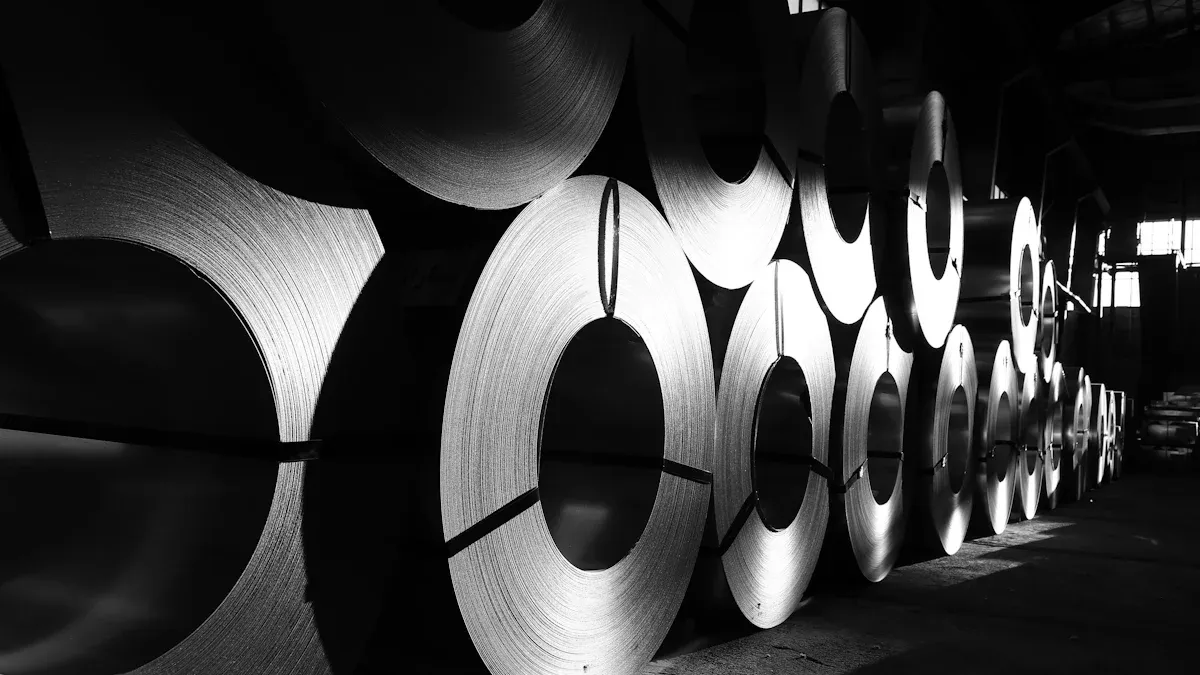
Long lead times associated with die manufacturing create significant supply chain bottlenecks. Designing, cutting, assembling, and testing a progressive die often takes many weeks or even months. Initial press integration and calibration add further delays. If you need parts immediately to fulfill an urgent order, forming will not meet your timeline.
Subtractive cutting offers rapid turnaround, often delivering parts in days to weeks. To manage the transition phase, implement buffer inventory planning and dual-sourcing strategies. Rely on subtractive cutting to supply initial inventory while the dies are being manufactured. This ensures continuous product availability during the lengthy tooling phase.
Both processes carry hidden costs related to quality control and secondary operations. Forming often leaves sharp edges or burrs. These parts require deburring, edge finishing, and sometimes heat treating to relieve internal stresses introduced during the stamping process. These secondary steps add time and labor to the production cycle, requiring additional routing on the shop floor.
Subtractive cutting also has hidden costs. Tool wear monitoring is critical; dull tools compromise tolerances and surface finishes. Machine calibration requires regular downtime. Manual part handling during setup and inspection adds labor costs. Teams must account for these secondary requirements when evaluating the true cost of each process.
Subtractive cutting is the definitive choice for specific production scenarios. It excels in low-to-medium volumes, ranging from initial prototypes to low thousands of units. It is mandatory for parts requiring variable wall thicknesses, complex 3D features, or ultra-tight tolerances that forming simply cannot achieve.
Use it for critical components requiring maximum structural integrity and robust enclosure strength.
Select it for projects with compressed initial lead times where waiting for dies is not an option.
Rely on it when there is a high likelihood of design revisions during the early production phases.
Forming dominates high-volume production environments. When volumes reach tens of thousands to millions of units, the exponential speed of the press makes it the only viable option. It is ideal for parts designed from uniform sheet metal requiring basic forming, bending, or piercing.
Choose it for highly cost-sensitive projects where minimizing the per-unit price is the primary success metric.
Use it for simple brackets, clips, panels, and shallow enclosures.
Select it when the design is fully validated and locked, eliminating the risk of tooling obsolescence.
Many critical components require a combination of both methods to achieve the desired balance of cost and precision. Parts are rough-stamped for high-speed bulk shaping, establishing the primary geometry rapidly. Following the stamping process, the parts move to a milling center.
This secondary operation achieves critical tolerances on specific features that the press cannot handle. Engineers use this hybrid approach to add tapped holes, machine perfectly flat mating surfaces, or cut precise internal grooves. This strategy leverages the speed of forming alongside the precision of subtractive cutting, providing the best of both worlds for complex, high-volume assemblies.
The choice between these two manufacturing methods is rarely about which process is objectively better. It is entirely about which aligns with the current stage of the product lifecycle, volume requirements, and geometric constraints. Subtractive cutting offers agility and precision for complex, low-volume parts, while forming delivers unmatched speed and cost efficiency for high-volume sheet metal production.
Engineering teams should evaluate part geometry, production volume, and long-term manufacturing goals before selecting a process. For many products, combining CNC machining with metal stamping provides the optimal balance between flexibility, precision, and production efficiency.
Consult with a manufacturing engineer to review your current CAD files and assess process viability.
Request DFM feedback to optimize your parts for either cutting or forming.
Order subtractive prototypes to validate form, fit, and function before committing capital to stamping dies.
Calculate your break-even volume threshold to plan your transition strategy accurately.
With decades of combined experience in precision manufacturing and OEM metal component production, Emax has built a strong reputation as a trusted manufacturing partner for customers across automotive, industrial equipment, automation, medical, electronics, and other demanding industries. By integrating advanced CNC machining, precision metal stamping, sheet metal fabrication, and comprehensive engineering support, the company delivers reliable, cost-effective manufacturing solutions tailored to each customer's production requirements.
From prototype development and Design for Manufacturability (DFM) optimization to full-scale mass production, Emax combines advanced equipment, strict quality management, and responsive technical support to help customers accelerate product development, reduce manufacturing costs, and achieve consistent product quality throughout the entire production lifecycle.
A: While precision stamping is accurate, subtractive cutting generally holds much tighter tolerances, especially for complex 3D features and critical mating surfaces. Stamped parts often require secondary machining operations to achieve the strict tolerances required for high-precision assemblies.
A: The exact number varies heavily by part complexity and material type. However, the break-even point typically falls between 5,000 and 10,000 units. At this volume, the high initial cost of the stamping die is offset by the significantly lower piece price.
A: Parts cut from solid billets generally offer superior structural integrity and strength compared to formed sheet metal. This continuous grain structure makes machined parts ideal for robust, load-bearing components and heavy-duty enclosures that must withstand significant stress.
A: While the base 3D model represents the final part, the DFM requirements differ vastly. Stamping requires flat patterns, uniform thicknesses, and specific bend radii. Subtractive models can feature variable thicknesses, sharp internal corners, and complex internal cavities.
A: Subtractive cutting offers rapid setup, often delivering initial parts in days to weeks. Metal stamping requires a lengthy tooling phase, often taking 4 to 12 weeks to design, cut, and assemble the dies, alongside extensive press setup and calibration times.
A: Subtractive cutting generates significant waste as it removes material from a solid block to reveal the part. Stamping is generally more material-efficient, especially when parts are tightly nested on the sheet metal coil, though it still produces offal that must be recycled.