


close
Choose Your Site
Global
Social Media


Views: 0 Author: Site Editor Publish Time: 2026-07-28 Origin: Site


Relying on modified, off-the-shelf metal components in high-stress industrial environments leads to compounding financial and operational costs. When standard parts are forced into specialized applications, facilities face frequent maintenance cycles, unexpected equipment failures, and severe operational downtime. Industrial operators constantly navigate the tension between the need for rapid component turnaround times and the non-negotiable requirements for structural integrity, exact design specifications, and strict regulatory compliance.
Treating custom metalwork as a simple outsourced task is a massive error. Instead, Welding Fabrication must be approached as a strategic procurement decision. Achieving long-term reliability requires rigorous vendor evaluation, precise material matching, and continuous process optimization. By aligning the right metallurgical properties with advanced joining techniques, organizations secure components that withstand extreme operational stressors while maintaining strict dimensional tolerances.
Investing in custom welding fabrication reduces long-term rework and operational downtime compared to retrofitting standard components.
The role of a highly skilled welder-fabricator is multi-disciplinary, bridging the gap between raw metallurgy, precision machining, and structural structural assembly.
Successful fabrication requires precise alignment between the chosen welding process (e.g., TIG, MIG), material selection, and the specific environmental stressors of the end-use application.
Vendor shortlisting must prioritize documented quality control, American Welding Society (AWS) compliance, and comprehensive in-house capabilities (cutting, machining, assembly).
Scalability and lead-time reliability depend heavily on a fabricator’s capacity to seamlessly transition from initial prototyping to high-volume production without degrading tolerances.
Table of Contents
Evaluating the true return on investment for custom components requires looking past the initial purchase order. While off-the-shelf parts present a lower upfront acquisition cost, modifying them to fit specialized machinery introduces significant hidden expenses. Retrofitting compromises the original structural integrity of the metal, often leading to premature fatigue and failure. Custom fabrication eliminates these variables. By engineering a component specifically for its intended load and environment, facilities drastically reduce the long-term expenses associated with frequent maintenance, emergency rework, and catastrophic operational downtime. The upfront investment in custom metalwork pays dividends through extended lifecycle performance and uninterrupted production schedules. For example, a custom-engineered heavy-duty bracket designed for a specific load path will outlast a generic bracket that has been drilled, cut, and re-welded to fit a space it was never intended for.
A disjointed workflow involving multiple vendors for cutting, fitting, and welding inherently increases the risk of structural alignment errors. Cross-trained welder-fabricators eliminate this operational friction. These professionals execute complex layout and fitting procedures while simultaneously applying specialized welding techniques. By managing the component from raw material preparation through final assembly, a dedicated welder-fabricator ensures that tight tolerances are maintained at every stage. This multi-disciplinary approach minimizes the dimensional deviations that typically occur when parts are handed off between different specialized departments or external contractors. A single point of contact on the shop floor means that if a fit-up issue arises, the fabricator can immediately adjust the weld sequence to prevent distortion, rather than waiting for an engineer to issue a revision.
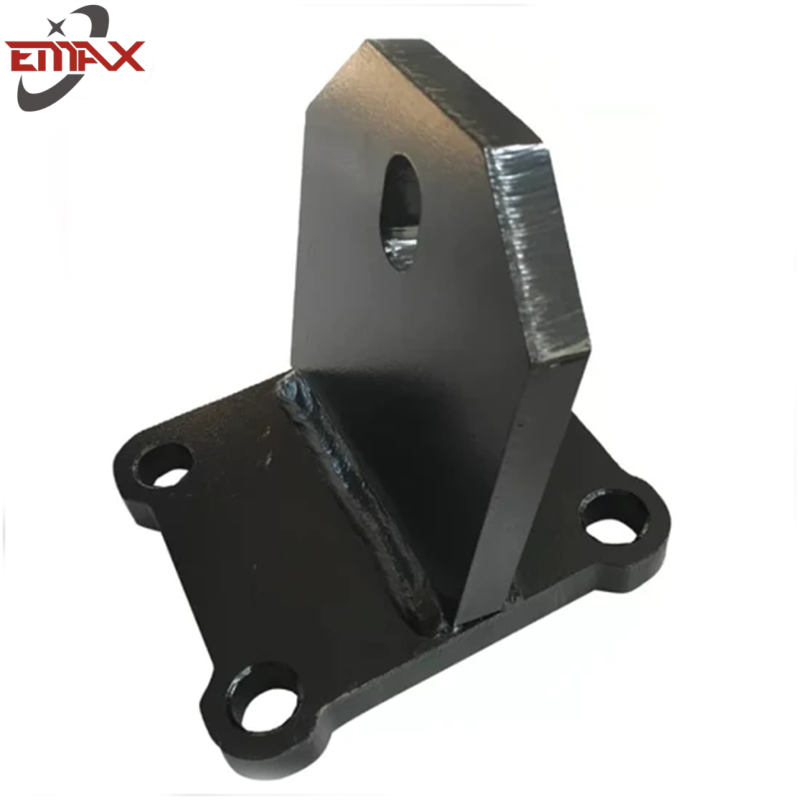
For low-to-medium volume production runs, welded fabrications offer distinct structural and logistical advantages over traditional casting processes. Castings require expensive, time-consuming mold creation, making them highly inefficient for prototypes or limited production runs. Weldments, conversely, provide immediate flexibility. Engineers can modify designs on the fly without scrapping expensive tooling. Furthermore, fabrications often yield significant weight-saving advantages. By strategically utilizing different material thicknesses and high-strength alloys only where necessary, fabricators can construct hollow or ribbed structures that offer superior strength-to-weight ratios compared to solid cast components. This approach also drastically reduces lead times, bringing critical parts to the facility floor weeks or months faster than a foundry could deliver. When a design requires a sudden change in a flange thickness or a bolt hole pattern, a weldment can be adapted in hours; a casting mold might take weeks to alter.
Project success in custom metalwork must be defined by measurable, objective criteria before the first arc is struck. Establishing a rigid framework ensures the final component performs exactly as engineered. Key metrics include strict dimensional tolerances, verified load-bearing capacities, and realistic lifecycle expectations under continuous operational stress. Additionally, the component must integrate seamlessly with existing machinery. Specifying these parameters in the initial engineering drawings prevents ambiguity, providing the fabrication shop with a definitive roadmap for material selection, joint design, and necessary post-weld heat treatments. Clear communication of these criteria prevents the common pitfall of over-engineering a part, which drives up costs unnecessarily, or under-engineering it, which risks catastrophic failure.
Utilizing a comprehensive job shop that manages forming, cutting, machining, and welding under one roof is a highly effective strategy for reducing logistical friction. When a single facility handles the entire fabrication lifecycle, the risks of transit damage and communication breakdowns are eliminated. Supply chain consolidation accelerates turnaround times by allowing overlapping processes; for example, CNC machining can begin on base plates while complex tubular structures are still being welded. This centralized accountability ensures that quality control remains consistent from raw material intake to final inspection. It also simplifies procurement, as buyers only need to issue a single purchase order and track one vendor, rather than coordinating a complex dance between a laser cutting house, a machine shop, and a standalone welding contractor.
Selecting the correct raw material is the foundational step in any successful fabrication project. The decision matrix must account for tensile strength, weight restrictions, and the specific corrosive elements present in the end-use environment. Carbon steel remains the industry standard for heavy structural applications due to its high tensile strength and impact resistance, though it requires protective coatings to prevent oxidation. Aluminum is specified when weight reduction is a priority, offering excellent corrosion resistance but requiring specialized handling to prevent distortion during welding. Stainless steel alloys are mandatory for food processing, pharmaceutical, and marine applications where extreme corrosion resistance and sanitation are non-negotiable. Matching the metallurgy to the environmental stressors prevents premature material degradation.
Material Type | Primary Advantages | Common Industrial Applications | Fabrication Challenges |
|---|---|---|---|
Carbon Steel (e.g., A36, 1018) | High tensile strength, cost-effective, highly weldable. | Structural frameworks, heavy machinery bases, industrial piping. | Requires surface treatment (paint, galvanization) to prevent rust. |
Stainless Steel (e.g., 304, 316L) | Exceptional corrosion resistance, sanitary properties, high temperature tolerance. | Food processing equipment, chemical containment, marine hardware. | Prone to warping from heat input; requires specialized purging gases. |
Aluminum (e.g., 6061, 5052) | High strength-to-weight ratio, naturally corrosion-resistant, non-magnetic. | Aerospace components, transportation enclosures, lightweight structural supports. | High thermal conductivity makes penetration control difficult; requires strict pre-cleaning. |
No single welding method is universally applicable; process optimization requires matching the technique to the material and the production environment. Gas Metal Arc Welding (MIG) is highly efficient for thick materials and long, continuous welds, making it the preferred choice for heavy manufacturing where speed is essential. Gas Tungsten Arc Welding (TIG) provides unparalleled control over the weld pool, making it mandatory for thin-gauge materials, exotic alloys, and applications requiring zero-defect precision, such as aerospace components. Flux-Cored Arc Welding (FCAW) is utilized primarily in outdoor construction and heavy infrastructure projects, as the flux protects the weld pool from atmospheric contamination even in windy conditions. Understanding the technical realities and limitations of each process ensures the structural integrity of the final weldment.
The actual welding is only one phase of a much broader manufacturing sequence. The full fabrication lifecycle begins with precise design and drafting, translating engineering requirements into actionable blueprints. Raw materials then undergo CNC cutting via laser, plasma, or waterjet systems to achieve exact dimensional blanks. Subsequent operations include bending, stamping, and punching to form the necessary geometries. Machining is often required both before and after welding to ensure mating surfaces meet strict tolerances. Final assembly integrates all sub-components. Quality degradation typically occurs during the transition between these stages—such as improper edge preparation before welding or inadequate stress relief after assembly—highlighting the need for stringent quality control checkpoints throughout the entire lifecycle.
The manufacturing sector relies heavily on custom metalwork for the production of load-bearing structures, specialized tooling, and critical equipment repair components. Heavy machinery operates under continuous stress, vibration, and high-impact conditions. Fabricated components in this sector must be engineered for extreme durability. Quick-turnaround shop modifications are frequently required to adapt existing machinery to new production lines. High-strength carbon steels and specialized hardfacing techniques are routinely employed to extend the operational lifespan of wear parts, ensuring that manufacturing facilities maintain continuous operation without catastrophic equipment failures. When a massive stamping press cracks a base plate, a custom fabricator can gouge out the defect and weld in a high-strength replacement much faster than the OEM can ship a new casting.
Aerospace and automotive applications demand a level of precision that leaves zero room for error. Fabrication in these sectors focuses heavily on strict weight-to-strength ratios, utilizing advanced aluminum alloys, titanium, and high-tensile steels. Aerospace components, such as engine mounts and structural airframes, require zero-defect tolerances and exhaustive non-destructive testing to guarantee flight safety. Similarly, custom automotive fabrication for chassis development and suspension components requires exact dimensional accuracy to ensure vehicle stability and crashworthiness. In both industries, the fabrication process is heavily regulated, requiring vendors to maintain specialized certifications and highly controlled production environments. Welders in these fields often have to pass rigorous 6G pipe tests or specific aerospace structural tests before touching a production part.
The energy sector presents some of the most hostile operating environments for metal components. Custom fabrication is essential for constructing high-pressure piping systems, chemical containment vessels, and offshore structural supports. These components must withstand extreme temperature fluctuations, high internal pressures, and highly corrosive chemical exposures. Weld integrity is paramount; a single microscopic defect in a high-pressure pipe can lead to catastrophic environmental and safety incidents. Fabricators serving the oil and gas industry must utilize advanced TIG welding techniques, specialized corrosion-resistant alloys, and rigorous x-ray inspections to verify that every joint meets stringent ASME boiler and pressure vessel codes. The documentation requirements here are immense, often requiring full traceability of every filler rod used on a specific joint.
Modern infrastructure relies on the precise production of structural steel frameworks, bridge components, and architectural metalwork. Fabrication for the construction industry is driven by scale, load-bearing requirements, and strict adherence to local building codes. Structural columns, beams, and heavy trusses must be fabricated with exact dimensional accuracy to ensure seamless assembly on the job site. Safety compliance is the primary driver in this sector. Fabricators must provide extensive documentation proving that all structural welds meet AWS D1.1 structural welding codes, ensuring that buildings and bridges can safely withstand dynamic environmental loads, including wind and seismic activity. A misaligned bolt hole on a massive steel beam can halt a construction site for days, making shop-floor accuracy a top priority.
A credible fabrication vendor must operate under a documented, verifiable quality management system. Baseline credentials include adherence to American Welding Society (AWS) standards for structural integrity and American Society of Mechanical Engineers (ASME) codes for pressure vessels. ISO 9001 certification indicates a facility's commitment to standardized, repeatable quality control processes. Furthermore, the vendor must routinely employ Non-Destructive Testing (NDT)—such as ultrasonic testing, magnetic particle inspection, or radiography—to verify internal weld integrity without damaging the final component. Relying on visual inspection alone is insufficient for high-stress industrial applications. You need proof that the weld penetrates fully and is free of internal voids or slag inclusions.
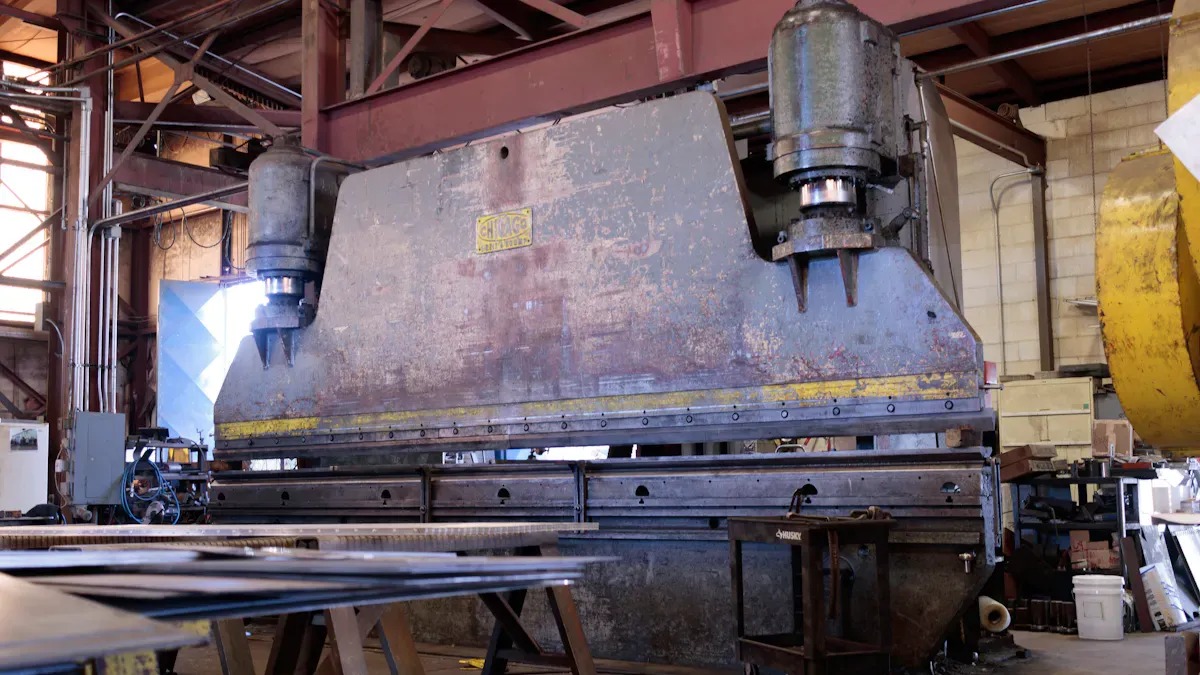
The technological footprint of a job shop directly dictates its capability and consistency. Evaluating a vendor requires assessing their critical hardware. A modern facility should utilize advanced, multi-process welding machines capable of precise parameter control. For high-volume production runs, robotic welding systems are essential to ensure absolute consistency and eliminate the variable of human fatigue. Additionally, the shop must possess robust CNC fabrication machinery, including high-definition plasma cutters, precision press brakes, and multi-axis milling centers. A comprehensive equipment roster ensures the vendor can handle complex geometries internally without relying on external subcontractors. If a shop has to send parts out for basic bending or machining, they lose control over the schedule and the quality.
Assessing a shop's true production capacity goes beyond square footage; it requires evaluating workforce depth and operational agility. A reliable vendor must demonstrate the proven ability to scale operations seamlessly from single-run engineering prototypes to full-scale production runs without missing critical deadlines or degrading dimensional tolerances. Evaluate their shift structures, cross-training programs, and historical on-time delivery metrics. A facility with a deep bench of certified personnel and redundant machinery is far less likely to experience catastrophic production bottlenecks during peak demand periods. Ask to see their production schedule and how they handle emergency rush orders without disrupting existing client work.
The integrity of a fabricated component is entirely dependent on the quality of the raw materials used. Auditing a vendor’s material sourcing protocols is a mandatory step in the evaluation process. The fabricator must provide complete transparency, supplying Mill Test Reports (MTRs) for every batch of steel, aluminum, or alloy introduced into the workflow. This documentation verifies the chemical composition and mechanical properties of the metal, preventing the introduction of counterfeit, substandard, or improperly graded materials that could lead to catastrophic structural failures in the field. If a vendor cannot instantly produce the MTR for a piece of steel on their rack, they lack the necessary inventory control for serious industrial work.
Advanced technological integration is a strong indicator of a sophisticated fabrication partner. Vendors utilizing modern Enterprise Resource Planning (ERP) systems offer transparent project tracking, allowing clients to monitor production milestones, material allocation, and quality control checkpoints in real time. Secure CAD design transfer protocols are equally critical. The fabricator must possess the software infrastructure to seamlessly import, read, and manipulate complex 3D engineering models without data loss or dimensional translation errors, ensuring that the final physical component perfectly matches the digital specification. A shop still relying on paper sketches and verbal instructions is a massive risk for complex, tight-tolerance assemblies.
Evaluation Criteria | Baseline Requirement | Advanced Capability Indicator |
|---|---|---|
Certifications | AWS D1.1, ISO 9001 | ASME U-Stamp, specialized aerospace/defense certs |
Quality Control | Visual inspection, documented QC manual | In-house NDT (Ultrasonic, X-Ray, Magnetic Particle) |
Equipment Footprint | Manual MIG/TIG, basic cutting tools | Robotic welding cells, 5-axis CNC machining, laser cutting |
Material Traceability | Basic material receipts | Digital Mill Test Reports (MTRs) linked to specific weldments |
Project Management | Email updates, standard spreadsheets | Integrated ERP systems with real-time client portals |
Fabrication failures such as weld porosity, structural warping, and improper heat treatment can derail project timelines and compromise safety. Porosity occurs when atmospheric gases contaminate the weld pool, severely weakening the joint. Warping is the result of uncontrolled thermal expansion and contraction during the welding process. To mitigate these risks, procurement contracts must mandate specific QA/QC checkpoints. Require the vendor to submit detailed Welding Procedure Specifications (WPS) before production begins. Mandate post-weld heat treatment for heavy assemblies to relieve internal residual stresses, and stipulate that independent NDT inspections must be passed before the component is cleared for shipping. Catching a defect in the shop costs a fraction of what it costs to fix it in the field.
Complex assemblies are highly susceptible to schedule slippage due to material shortages, equipment breakdowns, or unforeseen engineering challenges. Mitigating lead time delays requires proactive project management. Build realistic buffer times into the procurement schedule to account for potential material delays. Require the fabricator to provide weekly milestone reporting, detailing the exact completion status of cutting, machining, and welding phases. Ensure the chosen vendor operates with redundant machinery; if a primary CNC laser or robotic welding cell goes offline, they must have backup equipment available to keep the production schedule intact. A single point of failure on the vendor's shop floor should not become a crisis for your operations.
Sharing proprietary CAD designs and engineering blueprints with third-party job shops introduces significant intellectual property risks. Protecting sensitive designs requires strict security protocols. Before transmitting any digital models, execute comprehensive Non-Disclosure Agreements (NDAs) that specifically restrict the fabricator from utilizing the designs for other clients or reverse-engineering the components. Utilize secure, encrypted file transfer portals rather than standard email. For highly sensitive projects, consider compartmentalizing the fabrication process, having different vendors manufacture separate sub-assemblies so that no single external facility possesses the complete design for the finished machinery. This ensures your competitive advantage remains secure even when outsourcing production.
Successful welding fabrication is built on the right combination of engineering design, material selection, manufacturing expertise, and quality control. Partnering with an experienced fabrication company helps reduce production risks, improve product performance, and ensure consistent quality throughout every stage of manufacturing.
About Emax
Emax is a professional custom metal fabrication manufacturer specializing in welding fabrication, sheet metal fabrication, CNC machining, metal stamping, precision welding, and complete OEM manufacturing solutions. Backed by advanced production equipment, experienced engineering teams, and strict quality management systems, Emax delivers reliable, high-precision metal components for customers across a wide range of industrial applications.
Select the most suitable material and welding process based on your operating environment.
Define clear quality standards, tolerances, and inspection requirements before production.
Evaluate your supplier's equipment, certifications, and production capacity.
Verify lead times, material traceability, and quality documentation for every project.
Before choosing a welding fabrication partner, carefully assess their engineering expertise, manufacturing capabilities, quality control systems, and project management processes to ensure long-term product reliability and consistent production performance.
A: Welding is strictly the act of joining two pieces of metal together using heat and filler material. Fabrication is the comprehensive manufacturing process that encompasses designing, cutting, bending, machining, welding, and assembling a complete final product from raw metal stock.
A: A welder focuses primarily on executing high-quality joints based on provided specifications. A welder-fabricator possesses a broader skill set, including reading complex engineering blueprints, performing structural layout, cutting, bending, and managing the overall assembly of the component.
A: Verify quality by requesting documented Non-Destructive Testing (NDT) reports, confirming their facility holds current AWS or ASME certifications, and reviewing their internal Quality Assurance/Quality Control (QA/QC) manuals to ensure standardized inspection processes are enforced.
A: The primary cost drivers include raw material market prices, the geometric complexity of the design, the strictness of required dimensional tolerances, the specific welding process utilized, and the total volume of the production run.
A: Choose a weldment for low-to-medium production runs, when rapid lead times are required, or when the design requires frequent modifications. Weldments avoid the high upfront tooling and mold costs associated with castings and often provide superior strength-to-weight ratios.
A: At a minimum, an industrial fabricator should hold American Welding Society (AWS) certifications for structural codes, ASME certifications for pressure-retaining components, and ISO 9001 certification to demonstrate a standardized, globally recognized quality management system.
A: Yes, but buyers must verify the facility's infrastructure. A capable shop needs agile engineering staff and manual equipment for rapid prototyping, alongside automated CNC machinery and robotic welding cells to ensure consistency and speed during high-volume production runs.