


close
Choose Your Site
Global
Social Media


Views: 0 Author: Site Editor Publish Time: 2026-08-14 Origin: Site


The structural integrity, lifecycle performance, and field reliability of any manufactured metal component start with the forming process you select during the engineering phase. If you specify the wrong forging method, you set your production line up for failure. You will face excessive secondary machining requirements, premature die wear, or catastrophic component failure under load because the grain structures do not align with the stress paths. Resolving the Hot Forging vs Cold Forging debate requires a strict technical evaluation. You have to look at material behavior relative to its recrystallization temperature. You must evaluate the geometric complexity of your part, the dimensional tolerances required by the assembly, and the production volume thresholds you plan to hit. We see engineers default to familiar methods instead of matching the metallurgy to the application. This guide breaks down exactly how thermal states dictate mechanical properties so you can engineer parts that survive the real world.
Hot forging occurs above the metal’s recrystallization temperature (preventing strain hardening), while cold forging occurs at or near room temperature.
Cold forging inherently increases yield strength and stiffness through work hardening, whereas hot forging produces a homogenized grain structure with high ductility.
Cold forging delivers superior surface finishes and tighter dimensional tolerances, often eliminating the need for extensive secondary machining.
Hot forging is generally more cost-effective for complex, heavy components or low-to-medium volumes, while cold forging requires high initial tooling investments justified by high-volume production runs.
Table of Contents
You have to figure out how a metal's molecular structure will respond to deformation stress to meet specific load-bearing criteria. The main difference between forging methods is the thermal state of the billet or wire stock before it enters the die. This thermal state dictates the physical force required to move the solid metal and the resulting internal microstructure of the finished component. On the shop floor, this translates to entirely different machinery, tooling materials, and safety protocols.
Hot forging involves heating metal above its specific recrystallization point before deformation. For standard carbon steels, operators heat the material to temperatures ranging from 1,100°C to 1,250°C using massive induction coils or gas-fired rotary hearth furnaces. At this extreme thermal threshold, the metal enters a highly plastic state. It flows almost like thick clay under the pressure of a mechanical or hydraulic press.
The metallurgical result of this process is continuous annealing during deformation. As the metal is compressed and shaped by the forging press, the elevated temperature prevents strain hardening. New, strain-free grains constantly form to replace the deformed grains. This continuous recrystallization allows for extreme shape changes and massive material displacement without fracturing or shearing the component. You can take a square billet and smash it into a complex connecting rod in just a few strikes.
Cold forging compresses or shapes metal at or near room temperature using high-pressure dies. Unlike hot forging, the material remains well below its recrystallization temperature throughout the entire forming cycle. Manufacturers typically feed large coils of raw wire into multi-station cold headers. The machine shears the wire to a specific length and then rams it through a progression of dies.
Deformation below the recrystallization point fundamentally alters the grain structure by increasing dislocation density within the crystal lattice. This induces severe work hardening. The process preserves the metal's original grain flow lines, packing them tightly along the contours of the new shape. While this requires massive press tonnage to overcome the material's natural flow stress, it yields a component with exceptional structural rigidity straight out of the die.
Warm forging heats the metal above room temperature but strictly below the recrystallization point. For steel alloys, this generally falls between 650°C and 850°C. You utilize warm forging when you need a precise balance of manufacturing benefits. Elevating the temperature reduces the material's yield strength temporarily, lowering the extreme press tonnage required for purely cold forging.
Simultaneously, keeping the temperature below the recrystallization point avoids the heavy oxidation, scaling, and severe thermal contraction associated with hot forging. Warm forging is frequently applied to medium-carbon steels that are too brittle for cold heading but require tighter tolerances than hot forging can provide. It is a specialized process requiring precise temperature control to prevent the material from cooling too rapidly upon contact with the dies.
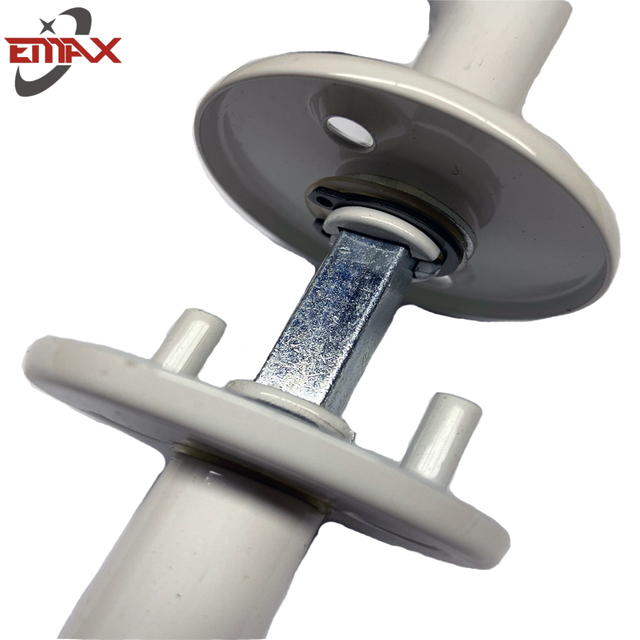
Evaluating how the thermal state during forging dictates the final mechanical properties of the component is critical for structural engineering. The physical characteristics of the metal change permanently based on the temperature at which it was deformed. You cannot treat a hot forged part and a cold forged part as equals, even if they are made from the exact same alloy.
Both forging processes align the internal grain flow of the metal to the contours of the finished part. Think of it like the grain in a piece of wood. This unbroken grain flow makes forged components vastly superior to cast or machined parts, where grain lines are either randomized or physically severed by cutting tools. However, the nature of that grain flow differs significantly between the two methods.
Hot forging produces a homogenized, highly ductile grain structure. The continuous recrystallization creates uniform, equiaxed grains that offer excellent impact resistance and toughness. Cold forging results in a highly compressed, preserved, and elongated grain structure. The grain lines are tightly packed and severely deformed, creating a highly directional strength profile that resists fatigue under cyclical loading. If you need a part to survive millions of vibration cycles, that compressed cold-forged grain structure is exactly what you want.
Cold forging yields a stiffer, higher-tensile-strength component directly out of the die. As the metal is forced into the die cavity at room temperature, the crystal lattice distorts. This distortion causes localized work hardening, particularly in bend areas, extrusion points, and upset heads. The yield strength of a cold-forged low-carbon steel part can rival that of a heavier, higher-carbon alloy simply because of the mechanical work put into it.
Conversely, hot forged parts exit the die in a relatively soft, annealed state. Because the metal recrystallized during forming, it lost any mechanical strength gained from the deformation. To achieve comparable yield strengths and hardness levels, hot forged components almost always require post-forging heat treatments, such as quenching and tempering. This adds time, handling, and thermal processing costs to the manufacturing cycle.
Raw metal stock, particularly large cast ingots or continuous cast billets, often contains microscopic internal voids or center-line porosity. Hot forging effectively seals these internal micro-voids. The high malleability of the heated metal, combined with the compressive forces of the forging press, physically welds these microscopic gaps shut through solid-state diffusion. The heat and pressure literally heal the metal.
Cold forging lacks this capability. Because the metal is not heated to a plastic state, cold forging cannot heal pre-existing internal material defects. Attempting to cold forge material with internal voids often leads to internal shear fractures or surface splitting as the void is pushed outward. Consequently, cold forging requires significantly higher-quality, defect-free raw wire or bar stock, often requiring eddy-current testing before it ever hits the header.
Matching the physical design requirements of the component to the capabilities of the forging method ensures manufacturability. The physical limitations of moving solid metal dictate what shapes are possible. You cannot force cold steel into a complex, deep-ribbed cavity without destroying your tooling.
Hot forging is ideal for highly complex, asymmetrical, or massive components. Engine crankshafts, large aerospace bulkheads, heavy construction equipment linkages, and oversized custom fasteners rely on hot forging. The high heat drastically lowers the metal's flow stress, allowing it to fill intricate die cavities, deep ribs, and sharp corners without cracking. Hot forging also utilizes draft angles—usually 3 to 5 degrees—to allow the part to release from the die.
Cold forging is generally restricted to simpler, symmetrical geometries. Standard fasteners, straight shafts, simple gears, and cylindrical pins are typical cold-forged parts. The massive force required to move unheated metal limits the complexity of the shape. Pushing cold metal into deep, asymmetrical die cavities often results in tooling failure or incomplete die fill. However, cold forging can often produce parts with zero draft, which is a massive advantage for assembly components.
The high temperatures required for hot forging cause the metal surface to react with oxygen in the atmosphere, creating a thick layer of scale. This oxidation, combined with the thermal contraction that occurs as the part cools from 1,200°C to room temperature, makes it impossible to hold tight dimensional tolerances. Hot forged parts routinely require secondary surface finishing, shot blasting, and extensive CNC machining to meet final specifications.
Cold forging delivers near-net-shape or true net-shape capabilities. Because there is no thermal expansion or scaling, cold-forged parts deliver tight dimensional tolerances and smooth surface finishes directly from the die. You can often achieve a surface roughness of Ra 0.8 or better without any secondary operations. This often eliminates the need for any secondary CNC turning or milling, drastically reducing per-unit cycle times and material waste.
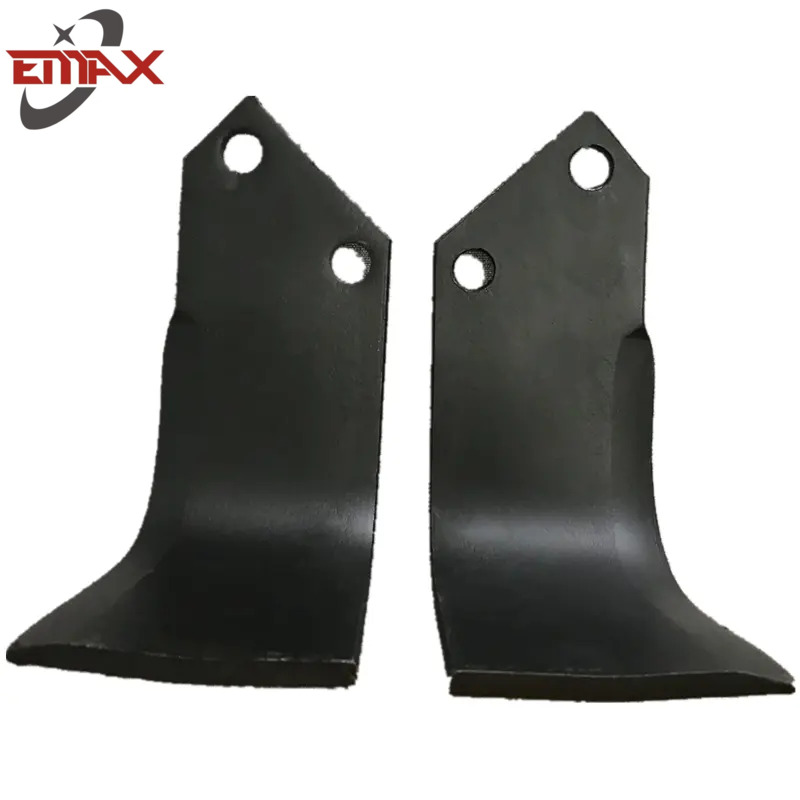
Selecting the right base alloy based on the chosen forging process prevents material failure during production. Not all metals respond equally to thermal or mechanical stress. You have to match the alloy's natural ductility to the forming method.
Table: Material Forging Compatibility Guide
Material Grade | Hot Forging Suitability | Cold Forging Suitability | Common Applications |
|---|---|---|---|
1018 / 1022 Carbon Steel | Good, but often unnecessary | Excellent (High ductility) | Standard fasteners, rivets, pins |
4140 Alloy Steel | Excellent | Poor (Requires heavy annealing) | High-strength shafts, gears, linkages |
Aluminum 6061 | Good | Excellent | Automotive suspension parts, aerospace fittings |
Inconel 718 | Excellent (Requires specialized presses) | Not Recommended (Will shatter tooling) | Jet engine turbine blades, high-temp valves |
Titanium Ti-6Al-4V | Excellent | Not Recommended | Aerospace bulkheads, medical implants |
Hot forging is reserved for materials that require high heat to become malleable. High-carbon steels, tool steels, and high-alloy materials possess high natural flow stress and yield strengths. Attempting to deform them at room temperature would shatter the tooling or the billet. Titanium alloys, nickel-based superalloys like Inconel, and refractory metals heavily rely on hot forging. These aerospace-grade materials maintain their strength at elevated temperatures, requiring specialized high-temperature forging presses to achieve any meaningful plastic deformation.
Cold forging requires materials that can withstand high-pressure deformation without shattering. Low-carbon steels, aluminum alloys, brass, and copper are the primary candidates. These metals possess high natural ductility and low yield strengths in their annealed states. You must strictly avoid attempting to cold forge high-alloy or high-carbon metals without extensive intermediate annealing processes. Forcing a brittle, high-carbon alloy through a cold extrusion die risks catastrophic brittle fracture, potentially destroying the tungsten carbide tooling and causing severe safety hazards on the production floor.
The trade-offs between upfront capital expenditure and per-unit production costs dictate the financial viability of a manufacturing run. You have to balance the cost of the die against the speed of production and the volume of the order.
Cold forging requires extreme pressures to move unheated metal. This necessitates heavy-duty, highly engineered, and exceptionally expensive tooling. Cold forging dies are frequently machined from premium tungsten carbide or advanced high-speed tool steels. These inserts are then shrink-fitted into massive steel casings to prevent them from bursting under the internal pressure of the forging cycle. The engineering and machining time for a 5-station cold heading die set is substantial.
Hot forging requires lower press tonnage, allowing for less robust die casings. Hot forging dies are typically cut from H13 tool steel. However, these dies must resist severe thermal shock, high-temperature abrasion, and heat checking. While hot forging dies wear out faster due to thermal fatigue and require frequent welding and recutting, their initial machining and material costs are generally lower than the specialized carbide tooling required for cold heading.
Hot forging carries massive energy costs associated with continuous furnace operation. Induction heaters or gas-fired furnaces must run constantly to bring heavy steel billets up to forging temperature. This represents a significant overhead expense that must be factored into the piece price. Furthermore, handling glowing hot steel requires automated transfer systems or manual tongs, which slows down the cycle time.
Cold forging eliminates this thermal energy requirement. The machines run on standard industrial electricity to power the main drive motors. Furthermore, cold heading machines operate at rapid cycle times. A multi-station cold header can produce hundreds of fasteners or small components per minute. This high throughput rapidly offsets the initial tooling costs at scale, making cold forging highly efficient for continuous, high-speed production.
Establishing baseline volume recommendations is critical for procurement. Cold forging requires high production volumes—often exceeding 25,000 to 50,000 units—to amortize the steep initial tooling and setup costs. Setting up a multi-station cold header can take an operator an entire 8-hour shift to dial in the timing and progression. Running a small batch on a cold header is financially unviable due to this setup time.
Hot forging remains economically viable at much lower volumes. For custom, oversized components, heavy industrial machinery parts, or specialized aerospace components, the lower initial die costs and flexible setup times make hot forging the practical choice. You can justify setting up a hot forging press for runs of a few hundred or even a few dozen units, especially if the part is massive and cannot be economically machined from solid block.
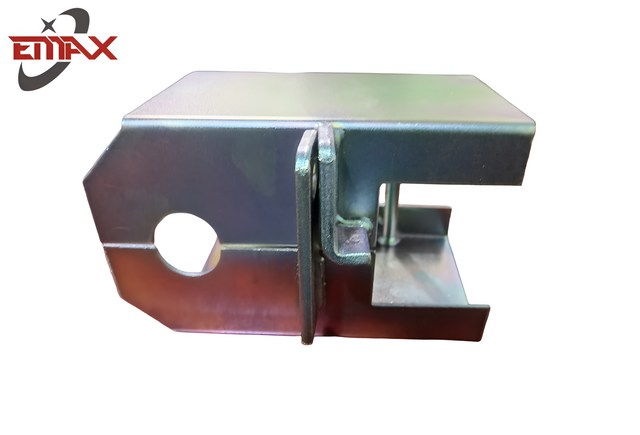
Anticipating and engineering around the inherent flaws of each process prevents costly production delays and scrap rates. You have to know how the process fails to design a part that succeeds.
The primary risk in hot forging is surface decarburization and dimensional variance due to thermal contraction. As scale forms on the glowing billet, it depletes the surface carbon, potentially weakening the outer layer of the component. Mitigation requires strict process controls. You utilize controlled atmosphere heating, such as nitrogen-rich furnaces, to prevent oxygen from reaching the heated billet.
Die design must incorporate precise shrinkage allowances, calculating exactly how much the specific alloy will contract as it cools from 1,200°C down to ambient temperature. Automated high-pressure water descaling systems are installed immediately before the press to blast away scale before the billet enters the die cavity. This prevents the hard scale from being forged into the surface of the part, which would ruin the surface finish and destroy subsequent machining tools.
Cold forging carries the risk of tooling failure from extreme tonnage and material galling, where the workpiece cold-welds to the die surface under extreme pressure. Additionally, components risk cracking due to excessive strain hardening if the deformation is too severe in a single station. Mitigation relies on advanced tribology and metallurgy.
Dies receive advanced physical vapor deposition (PVD) coatings to reduce friction. High-performance lubrication systems, such as zinc phosphate coatings combined with reactive stearate soaps, are applied to the raw wire stock to create a chemical barrier between the metal and the die. For parts requiring severe deformation, you implement intermediate annealing steps. You partially form the part, run it through an annealing furnace to relieve internal stress and reset the grain structure, and then complete the cold forging process.
Table: Pros and Cons Summary
Process | Pros | Cons |
|---|---|---|
Hot Forging |
|
|
Cold Forging |
|
|
The choice between hot forging vs cold forging is not about one being objectively better. It is about aligning the metallurgical realities of the process with the component's operational environment, geometric complexity, and production scale. Specifying cold forging makes sense for high-volume, tight-tolerance, symmetrical parts like fasteners and shafts that require high yield strength without secondary heat treatment. Conversely, specify hot forging for complex, heavy-duty components, low-volume runs, or when utilizing high-alloy, low-malleability metals.
Audit your current component designs to identify parts currently being machined from bar stock that could be converted to near-net-shape cold forgings to eliminate material waste.
Evaluate the annual production volume of your heavy-duty components; if volumes exceed 25,000 units, assess whether a redesign for warm or cold forging could eliminate secondary finishing costs.
Submit your CAD models, specific alloy requirements, and load-bearing specifications to your manufacturing partner for a formal manufacturability review and RFQ.
Specify exact grain flow requirements and acceptable draft angles on your engineering drawings before releasing them to the forging house.
For manufacturers seeking customized metal components, Hangzhou Emax Industrial Co., Ltd has been serving the hardware manufacturing industry since 1993, with capabilities covering forging, CNC machining, stamping, sheet metal fabrication, and related manufacturing processes. With experience serving applications such as agricultural machinery, automotive components, building hardware, and power utility hardware, Emax can support customers in selecting suitable materials and manufacturing processes for application-specific component requirements.
A: The primary difference is the temperature of the metal relative to its recrystallization point during deformation. Hot forging occurs above this thermal threshold, allowing the metal to continuously anneal and flow easily without strain hardening. Cold forging occurs at or near room temperature, well below the recrystallization point, requiring massive pressure to shape the metal and inducing significant work hardening.
A: Yes, generally. Cold forging induces severe work hardening. As the metal deforms at room temperature, its crystal lattice distorts, significantly increasing yield strength and stiffness. Hot forging leaves the metal in a soft, annealed state. You must apply subsequent heat treatments, like quenching and tempering, to a hot forged part to achieve similar strength levels.
A: Heating the metal above its recrystallization temperature significantly increases its malleability and drastically reduces flow stress. This highly plastic state allows the solid metal to easily flow into deep ribs, sharp corners, and intricate die cavities without shearing or cracking. It makes hot forging ideal for massive or highly asymmetrical parts.
A: Rarely. Cold forging often produces near-net-shape or true net-shape components. Because there is no thermal expansion, contraction, or scaling during the process, parts exit the die with extremely tight dimensional tolerances and excellent surface finishes. This minimizes or completely eliminates the need for secondary CNC machining operations.
A: Brittle metals, high-carbon steels, tool steels, and certain high-alloy aerospace materials cannot be cold forged effectively. These materials lack the necessary ductility at room temperature. Attempting to cold forge them will result in the material shattering, severe shear fractures, or catastrophic failure of the tungsten carbide forging dies.