


close
Choose Your Site
Global
Social Media


Views: 0 Author: Site Editor Publish Time: 2026-05-01 Origin: Site


You often see precision stamping used to shape flat metal sheets. It makes accurate parts for many manufacturing jobs. Metal stamping uses special machines and dies. These help create shapes fast and at a low cost. You can pick Common Materials like steel, aluminum, and copper for stamping. Choosing the right material helps work go faster. It also makes sure each part meets strict rules.
You need to think about which material to use. You also need to plan tool and die design. You must choose pressing methods. Trimming, finishing, and checking quality are important too.
You may use soft tooling for small jobs. Hard tooling is better for making many parts.
Factor Influencing Material Choice | Description |
|---|---|
Strength and Durability Requirements | You pick strong materials to handle stress and keep parts working well. |
Formability and Machinability Considerations | You choose metals that are easy to shape. This saves time and work. |
Corrosion Resistance Needs | You use stainless steel for parts in tough places. |
Cost-effectiveness and Budget Constraints | You try to get good quality and keep costs low for each project. |
Environmental Factors | You pick metals that are better for the environment. |
Pick the best material for stamping by looking at strength, how easy it is to shape, and price. This makes sure the parts work for your project.
Make simple shapes for stamping to save time and stop mistakes. Hard shapes can cost more and cause more errors.
Use checks for quality during the stamping process. Checking often helps find problems early and keeps quality high.
Pick the right tools and machines for your stamping job. Good tools help you be more exact and make fewer mistakes.
Learn how precision stamping is used in different industries. This helps you make parts that fit special needs.
Precision stamping parts are used when you need parts to be very accurate. These parts are made by shaping flat metal sheets. The process can make complicated shapes. Stamping gives the same results every time, even for many parts. You can trust these parts to fit tight rules. This matters in jobs where every detail is important.
Stamping makes parts quickly.
You get parts that match your design each time.
Metal stamping saves money and time.
You can make complex shapes from metal sheets.
The process is good for making lots of parts.
Metal stamping helps your parts fit your needs exactly. It works for simple and hard designs. You can count on stamping to give you good quality and speed.
Precision stamping parts are used in many industries. You see them in cars, planes, electronics, and farm machines. Each industry needs parts that work well and are accurate.
Industry | Applications |
|---|---|
Automotive | Fuse boxes, bus bars, shields, brackets, and other metal stamping parts. |
Aerospace | Engine parts, connectors, fasteners, and terminals. |
Electronics | Connectors, sensors, shells, couplings, and fittings. |
Agriculture | Stamped parts, deep-drawn shells, and equipment components. |
Oil and Gas | Washers, handles, brackets, and essential metal stamping parts. |
Metal stamping parts are found in many things you use. Cars need stamped brackets and shields. Planes use stamped connectors and fasteners. Electronics have small stamped parts for sensors and fittings. Each job needs the right metal and stamping process to work well.
You need to watch tolerances when you design stamping parts. Tolerance means how much size or shape can change. This helps parts fit and work together. You must know the stamping process and metal types. Setting good tolerances keeps costs down. It also makes assembly easier. You can check parts during stamping with inspections. Final checks make sure only good parts leave the factory. Quality control helps you find problems early and keeps parts accurate.
The shape of your part changes how you design for stamping. Simple shapes are easier and cheaper to make. Hard shapes, like deep draws or thin spots, can cause problems. These problems include springback or die wear. You may get more mistakes with tricky shapes. Think about how easy it is to make your part. Simple shapes help you work faster and make fewer errors. Good design choices match what stamping can do.
Tip: Start with easy shapes. Only add hard shapes if you need them. This saves time and lowers risk.
Tooling is very important in metal stamping. You must pick the right tools for your job. Good tools make fewer mistakes and keep work steady. Strong tools last longer and need less fixing. The part’s shape, the metal, and how many you need all matter.
Factor | Influence on Cost and Quality |
|---|---|
Complexity of the part | Harder shapes cost more and may lower quality. |
Material used | Different metals change cost and quality. |
Volume of production | Making more parts lowers the cost for each one. |
Custom die creation | Costs a lot at first, but saves money if you make many parts. |
You should buy good tools to make sure your parts are right. Picking the best press and setup helps shape parts well. Well-trained workers and good planning keep stamping running well.
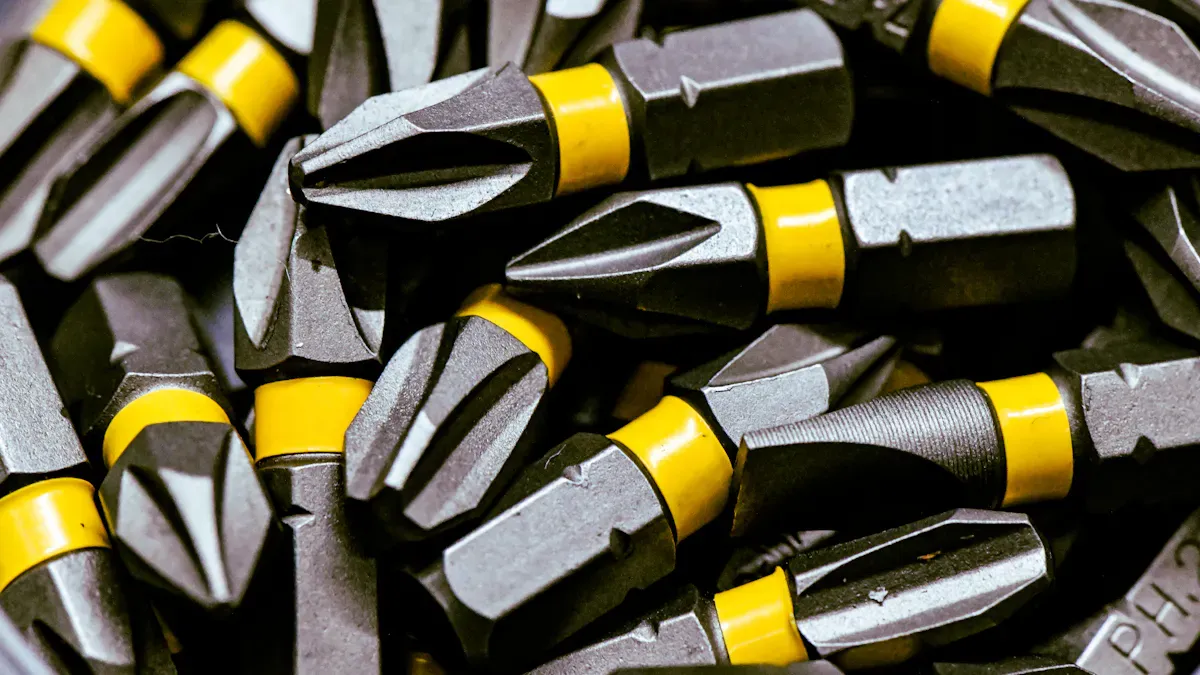
Steel is used a lot for metal stamping parts. Steel is strong and tough. Low-carbon steel is good if you want to save money. It bends and stretches easily. This helps make deep draws and tricky shapes. Stainless steel is best when you need parts that do not rust. It lasts a long time and does not get rusty. That is why people use it for kitchen tools, medical tools, and things outside. Stainless steel costs more, but it is strong and lasts longer.
Material | Advantages | Disadvantages |
|---|---|---|
Low-Carbon Steel | Excellent formability, cost-effective, high ductility | Prone to rust, needs protective coatings |
Stainless Steel | Outstanding corrosion resistance, strength, durability | Higher springback, greater forming forces, increased costs |
Tip: Pick stainless steel if your part will touch water or chemicals. Use low-carbon steel if you want to save money.
You need to watch out for springback and tool wear with stainless steel. It is stronger, so you need to control the process more. Steel is used in cars, buildings, and machines. Stainless steel is used in food tools and medical things.
Aluminum alloys are light and easy to shape. You use aluminum when you want cars or planes to weigh less. Aluminum is good at carrying electricity and does not rust easily. Grades like 5052 and 6061 are strong and easy to shape. You can make hard shapes with aluminum alloys. Aluminum costs more than steel, but it makes things lighter and saves fuel. You see aluminum in car bodies, plane parts, and cooking tools.
Aluminum 1100: Easy to shape, used for food packages.
Aluminum 3003: Strong and easy to work with, used for pots and pans.
Aluminum 6061: Very strong, used for building parts.
Aluminum 5052: Does not rust, used for boat parts.
Note: Aluminum alloys help you make light parts that last in tough places.
Copper is great for carrying electricity and heat. You use copper in wires, connectors, and circuit boards. Copper alloys like brass and bronze give you more choices. Brass is shiny and does not wear out fast. It is used for pretty hardware and electronics. Bronze is strong and lasts a long time. It is good for bearings and statues.
Copper stamping helps make parts that need to bend a lot.
Brass stamping gives you steady shapes and cuts well.
Copper is used in electronics, cars, and green energy. Brass is used in buildings, ships, and machines. Bronze is used in art and heavy-duty parts.
Plastics are also used in stamping. You pick plastics when you want light parts that do not rust. Plastics are easy to shape and save money. You see plastics in electronics, medical tools, and car insides.
Tip: Use copper alloys for parts that need to carry electricity and not rust. Pick plastics for light and bendy parts.
You can buy metal as sheets, coils, or strips for stamping. Sheets are flat and simple to cut. Coils let you stamp many parts without stopping, which saves time. Strips are good for small parts and shapes that need to be exact. The form you pick changes how fast you can stamp and how steady your work is.
Form | Best Use | Impact on Stamping |
|---|---|---|
Sheets | Large parts, simple shapes | Easy to handle, good for prototypes |
Coils | High-volume production | Continuous stamping, less waste |
Strips | Small parts, tight tolerances | Precise stamping, less material waste |
It is important that metal sheets can bend and stretch without breaking. The shape of your part decides how much the metal must change. Picking the right form and type helps you stamp parts well.
You need to think about strength, formability, and cost when you pick materials for stamping. Steel is strong, easy to shape, and cheap. Aluminum alloys are strong for their weight and easy to shape, but cost more. Copper and copper alloys are strong and easy to shape, but cost more than steel. Brass is strong and costs a medium amount. Plastics can be strong or weak, but are always easy to shape and cheap.
Material | Strength | Formability | Cost |
|---|---|---|---|
Steel | Excellent | Good | Cost-effective |
Aluminum | High strength-to-weight ratio | Excellent | Moderate |
Copper | Good | Excellent | Higher than steel |
Brass | Good mechanical properties | Good | Moderate |
Plastics | Varies | Excellent | Cost-effective |
You need to match the material to what your project needs. Think about how strong your part must be, how easy it is to shape, and how much you can spend. Pick stainless steel or plastics if your part will be in a tough place. You need to balance all these things to get the best stamping parts.
Tip: Always check the types of materials and what they can do before you start. This helps you avoid mistakes and keeps your parts strong and safe.
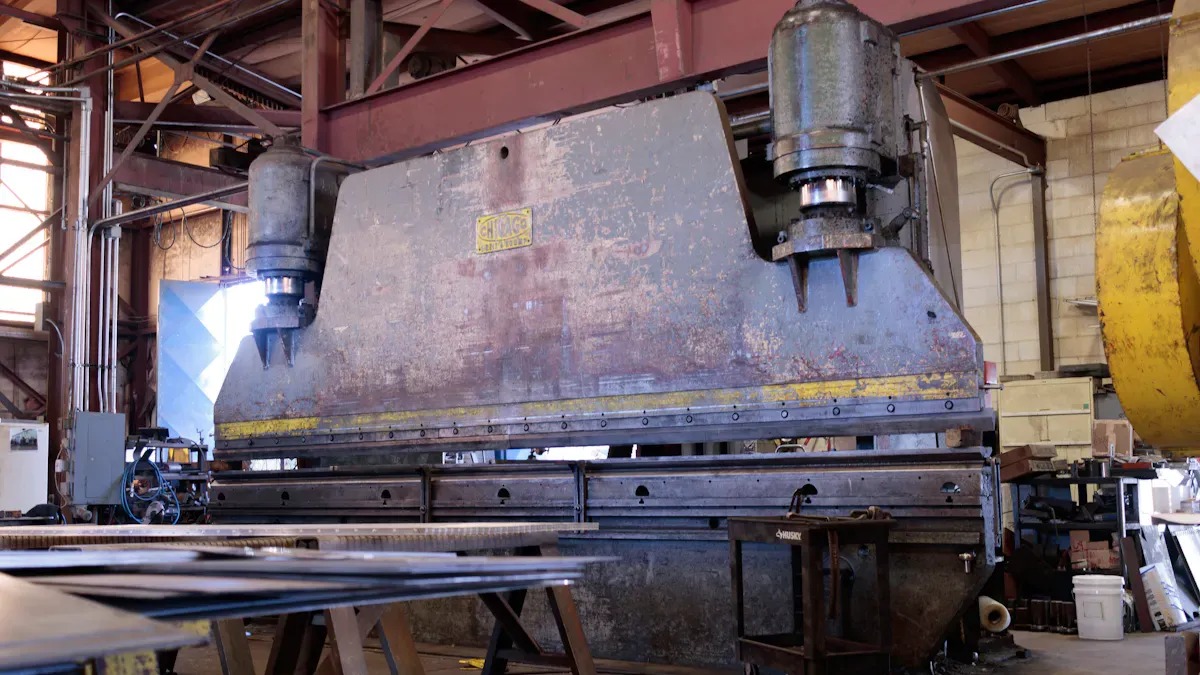
The metal stamping process shapes parts for many jobs. You must get ready before you start. This helps each step meet high standards.
First, you prepare the steel, aluminum, or copper. Cutting makes strips the right size for stamping. Slitting makes the edges smooth. This stops burrs and wavy edges. Leveling makes the metal flat. This stops bumps and uneven spots. Each step helps you get good results later.
Process | Contribution to Precision |
|---|---|
Cutting | Makes sure sizes are right for next steps |
Slitting | Makes smooth edges, stops burrs and waves |
Leveling | Makes metal flat, removes curves and thick spots |
You use different steps to shape the metal. Cutting and piercing make holes or shapes. Bending turns the metal into angles or curves. Drawing pulls the metal into deep shapes like cups. Coining presses the metal to add small details. Each step changes how good your parts are. Old tools or bad molds can cause cracks or wrinkles. Good oil and tool care stop these problems.
You can pick from different stamping methods. Progressive die stamping moves a strip through many stations. This is fast and does not waste much metal. Transfer die stamping starts with a blank and moves it through each step. This way is flexible and works for deep shapes. Deep draw stamping makes flat metal into deep or round parts. You use this for car or appliance parts.
Stamping Method | Description | Advantages | Limitations |
|---|---|---|---|
Progressive Die | Strip moves through many stations | Fast, less work, less waste | Costs more for tools, not for deep shapes |
Transfer Die | Blank moves through each step | Flexible, good for deep shapes | Costs more to run |
Deep Drawing | Flat metal pulled into deep shapes | Good for deep, boxy parts | Not for regular progressive dies |
You use different presses for stamping. Mechanical presses are fast and very exact. These are good for making lots of parts. Hydraulic presses let you change the pressure. This helps with thick steel or hard shapes. Servo presses use machines to go faster and make fewer mistakes. Automation helps you make more parts with less error. This keeps your work steady and smooth.
Tip: Pick the best press and machines for your job. This helps you get good quality and work faster in metal stamping.
You need good inspection steps to make sure your metal stamping parts are made right. Checking parts often during stamping helps you find problems early. You can look at the parts to see cracks, dents, or if things do not line up. Tools like calipers and micrometers help you check if the size is right. If the part has a hard shape, you can use a Coordinate Measuring Machine (CMM). This machine checks every detail and helps you keep parts correct.
Inspection Tool | Purpose of Use |
|---|---|
Precision calipers and micrometers | Verify overall dimensions |
Go/no-go gauges and functional gaging | Check hole sizes and locations |
Optical comparators and vision systems | Assess bend angles and radii |
Coordinate Measuring Machines (CMM) | Measure complex geometries |
Good inspection helps you find mistakes, fix your process, and follow the rules.
After stamping, you can use surface treatments to make your parts stronger and better looking. These treatments help your metal parts last longer. Nitriding makes the outside harder and stops it from wearing out. Carburizing makes the part stronger and lets you use cheaper steel or aluminum. Hard coating film puts a tough layer on the part to protect it. This is important for tools and dies.
Surface Treatment | Purpose and Benefits |
|---|---|
Nitriding | Makes the surface harder and reduces wear. |
Carburizing | Adds strength and helps lower-grade materials last longer. |
Hard coating film deposition | Protects the part and improves performance. |
You can also use other treatments to stop rust, fix small marks, and make the part look nice. These steps help your metal stamping parts work well in hard places, like when you use copper or aluminum.
You want every part to be the same and work well every time. Quality assurance checks each step to make sure of this. Special machines help you find problems fast. You should follow rules like ISO 9001 to keep your work steady. Special dies and guides help you make parts with the right shape and size. You need to check your machines often to keep them working well.
Quality assurance makes sure every part is good.
You use special tools to find mistakes early.
You follow rules to keep your work steady.
You check your machines often to keep stamping right.
You keep records to show your customers they can trust your parts.
It is better to stop mistakes before they happen. When you control your process, your metal stamping parts will always work well.
You get good precision stamping parts by making your design fit the job. Pick materials that are strong and easy to shape. Choose the process that works best for what you need. Try to stop mistakes before they happen. Keep your process steady and safe. Use quality checks to make sure every part is right. Before you buy parts, know what your project needs. Check if the manufacturer is skilled. Make sure they can make test parts for you. Doing these things helps your project turn out well.
You get parts that match your design every time. Precision stamping saves you money and time. You can make many parts quickly and keep quality high.
You look at strength, formability, and cost. You pick materials that fit your project needs. You check if the part must resist rust or carry electricity.
Yes, you can use plastics for light and flexible parts. Plastics work well in electronics, medical tools, and car interiors. You save money and avoid rust.
Progressive die stamping moves metal through many stations. You get fast production and less waste. This method works best for high-volume jobs.
You check parts often with tools like calipers and CMMs. You use surface treatments to protect parts. You follow rules and keep machines in good shape.